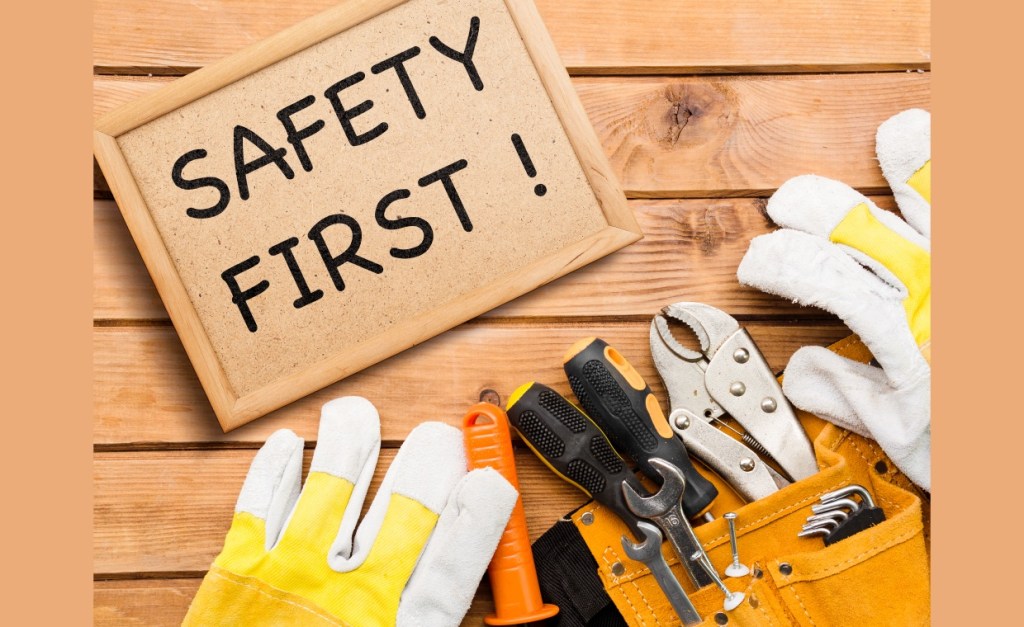
April 28 may have passed, but the importance of safety in home renovation remains paramount. For professionals like electricians, carpenters, and site supervisors, each day presents new challenges that demand up-to-date safety practices.
Why Job site Safety Is Non-Negotiable
Since 2003, the International Labor Organization has used this day to spotlight the right to a safe working environment. This message resonates even more in high-risk industries like renovation.
In older homes especially, hazards are often hidden behind the walls. Think:
🧯 Outdated electrical systems
🧱 Mold or asbestos
🕳️ Unstable flooring or roofing
🔧 Confined spaces with poor ventilation
🌫️ Dust from demo, sanding, or sawing
Even seasoned pros can get caught off guard. That’s why safety should be a daily ritual, not a once-a-year reminder.
Hidden Hazards in Home Renovation
Older homes, especially in cities like Toronto, come with unique challenges:
- Outdated electrical systems
- Potential mold or asbestos behind walls
- Weak structural elements
- Confined spaces with poor ventilation
- Airborne dust from demolition or sanding
Even seasoned professionals can underestimate these dangers. Implementing thorough safety protocols is essential to mitigate these risks.
How Tech Is Making Sites Smarter (and Safer)
Digital tools are revolutionizing how we manage construction safety—without replacing human judgment.
Here’s how:
- Wearable Tech: Smart helmets and vests now monitor fatigue, posture, or air quality in real time. If someone’s at risk, supervisors are alerted instantly.
- Drones for Site Surveys: No more risky roof climbs. Drones can scan attics or rooftops, identifying damage or hazards before someone’s boot hits a shingle.
- Safety Apps & Digital Checklists: Track PPE use, toolbox talks, and incident reports straight from your phone. These tools help keep job site compliance consistent across teams.
- Predictive Data Dashboards: Analyzing trends in near-misses or reported hazards assists contractors. This helps them make smarter decisions about where to allocate resources or training.
Compliance Isn’t Optional—It’s the Law
Depending on your region, there are specific laws governing site safety. For example:
- Canada (Ontario): The Occupational Health and Safety Act mandates daily site inspections and proper PPE.
- U.S.: OSHA requires fall protection, tool safety protocols, and written emergency procedures.
Failing to meet these standards doesn’t just risk lives—it can cost you licenses, fines, and future contracts.
5 Daily Habits That Keep Sites Safe
- Morning Hazard Walkthroughs: Scan the site before anyone starts work. Flag anything unstable, sharp, or risky.
- Double-Check PPE: Hard hats, goggles, gloves—are they compliant and still in good condition?
- Keep a Tool Maintenance Log: Broken equipment = avoidable injuries. Stay on top of upkeep.
- Run a Quick Daily Huddle: 5 minutes. One team. Focused on the day’s risks, updates, and reminders.
- Have a Clear Emergency Plan: Print it, post it, and make sure everyone knows it by heart.
Cultivating a Safety-First Culture
Safety goes beyond checklists. It’s about creating an environment where every team member feels responsible. They should feel empowered to speak up about potential hazards. Encouraging open communication and treating near-misses as learning opportunities can significantly enhance workplace safety.
How EltonBuilt Does It Right
At EltonBuilt, we prioritize safety through:
- Digital Safety Assessments: Conducted before each project to identify poAt EltonBuilt, our crews work smarter and safer by:
- Logging daily mobile check-ins with every crew
- Tracking equipment service schedules automatically
World Safety Day is just a reminder. In this industry, risks don’t take days off—and neither should your safety plan.
With smart tech, good habits, and a crew-first mindset, we can make safety second nature—on every job, every time.
Have you ever caught a safety risk just in time? Or used a piece of tech that made your job safer?
Drop your experience in the comments—we want to hear how others are tackling job site safety.
Sources:
- https://live.ilo.org/event/revolutionizing-health-and-safety-role-ai-and-digitalization-work-2025-04-28
- https://www.business-standard.com/health/world-day-safety-health-at-work-2025-ilo-ai-digitalisation-theme-125042800154_1.html?utm
- https://www.un.org/en/observances/work-safety-day
- https://www.stewartslaw.com/news/world-day-for-safety-and-health-at-work-2025-on-monday-28-april/?utm
- https://rtkenvironmental.com/healthy-home/important-safety-tips-for-renovating-older-homes/?utm_source
- https://www.realtor.com/advice/home-improvement/keeping-your-home-safe-during-renovation/
 EltonBuilt
Leave a comment